Getting a Hamster
How to make sure you do it correctly
Getting a hamster basics
It may seem getting a hamster is as simple as walking to a pet store, but it's a bit more complex than that. There's many different things to do before getting your very own hamster!
Hamsters also need to live on their own, because they're very territorial when they mature and will most probably kill each other once they don't want to share their food and only will fight to get rid of the competition. On their early years they may be cuddly, but later they'll mature.

Locating your hamster
Most will probably get their hamster from a pet store, but there's many reasons on why you should not do it and look at other options!
1. A Pet Store
2. Breeders
- 1. Breeding Stock
- 2. Care Standards
- 3. Breeding Goals
- 4. Transparency
3. Adoption
Here is why you should not get your hamster from a pet store
First, pet stores get their hamsters from hamster mills, where hamsters are bred unethically in disgusting conditions where only thing which is cared about is money. Example of how hamsters are treated in hamster mills:
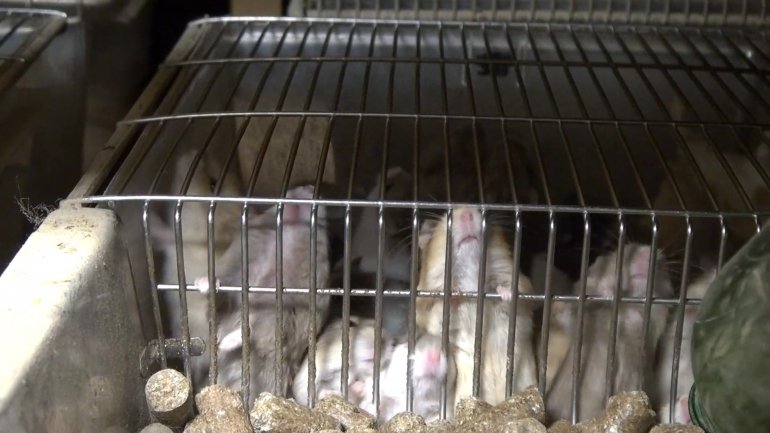
Secondly, buying a hamster from a pet store supports this behaviour, because yes, each hamster deserves a happy life and that 1 single purchase may not matter, but the truth is things add up. If everyone had the same mindset, this will make generations of hamsters be bred in unethical conditions and then sold to people to get money to continue what they're doing.
I personally haven't had any experience with breeders in my area, as I've found none, but a great example of an ethical breeder is Fairy Garden Hamsters, who makes sure all of her hamsters get new loving homes with everything done ethically.
A way to find ethical breeders is pretty simple though, and here are a few easy steps to spot unethcial breeders:
Ethical breeders don't get their breeder animals from pet stores, as to avoid hidden health risks and also to avoid supporting the hamster mills. They would know their animals ancestry and can provide photos, correct terminology.
An unethical breeder will keep their hamsters in less than 4000cm2 cage where the hamsters would get stressed out and neither the parents of the breeded hamster and the children of the hamsters will be happy in, ethical breeders will have to recommend the 5000cm2 floorspace minimum to all of the people wanting to adopt. Some people can pose as ethical breeders by having "show cages" for only some hamsters, but the actual care standards for everyone else will lack.
The goal of the breeding should never be money or curiosity, but instead improving the species health, temperament or traits, responsibly. Overbreeding when there's a demand is always a bad sign.
Backyard breeders will typically not be open to any questions and will maybe even rush with the hamsters, so for example you, wouldn't start questioning them too much. Their site or social media can show what they're like as well, which I heavily recommend looking out for. For example, female Syrians should only be bred in 4 months to 1 year and only 2-3 litters per female to protect her lifespan and overall health.
A great way to provide another hamster a good home is adopting hamsters from people who either don't want them or something else.
Great way to find hamsters in need of adoption are local marketplaces. These vary from country to country, but for example the US has a marketplace called "Craigslist", where you can search for hamsters in your are in the US. But make sure to look if the person you're buying from is a "backyard breeder", meaning unethical breeding, which I talked about in the previous point.
Getting your hamster home
Next thing would be getting your hamster home, but before doing any of this, you need to set up a few things.
First, make sure you have a carrier with a bit of bedding and a hide. It doesn't have to be anything big or anything special, just a small spot your hamster can be in during the transport of the hamster.
Then, make sure the cage for the hamster is fully set up and meeting the 5000cm2 minimum, making sure you start up correctly so the hamster can settle in well and be happy.
Early On
On the earlier days and weeks, make sure to start very gently with your hamster, to not stress them out in a big new environment they're not familiar of. Ethically bred hamsters will usually be very friendly and docile, but make sure to not scare them in any ways and slowly build trust with them with offering them treats and such things.
If you have gotten a not ethically bred hamster or an adoptee, you can quickly tame them with this video of basically putting them in a small box and then each night once they're awake 10-15 min trying to "help" them escape the box, with giving them a hand to escape out of and at the last moment letting them go.
Discussion Board
Share your thoughts, ask questions, and join the conversation below.